Complete History of the Sunken Ship in Sisal Yucatán, Discovery of "The Wreck of the Steamer La Unión (1861)" Research by INAH
The identification and registration of the remains of a 19th-century steam-powered ship, wrecked off the coast of Sisal, Yucatán (Gulf of Mexico), reveals to the world a grim episode in Mexico’s history related to the illicit trafficking of indigenous Mayans, which occurred during the Caste War (1847-1901) in the Yucatán Peninsula.
11 min read· by kevliving.tv
Historia del barco hundido “La Unión” de la época colonial ubicado en el mar de Sisal Yucatan.
“El pecio Vapor La Unión (1861) Indicios de esclavitud maya en la península de Yucatán”
2021. El pecio Vapor La Unión (1861) indicios de esclavitud maya en la península de Yucatán. Glifos. 27 (Apr. 2021), 36–45.
Gabriel Quetz León, Abiud Pizá Chávez, Helena Barba-Meinecke
Con fotos de @kevliving.tv
La identificación y registro de los restos de un buque de propulsión a vapor del siglo XIX, naufragado frente a la costa de Sisal, Yucatán (Golfo de México), revela al mundo un ominoso episodio de la historia de México relacionado con el tráfico ilícito de indígenas mayas, ocurrido durante la Guerra de Castas (1847-1901) en la península de Yucatán.
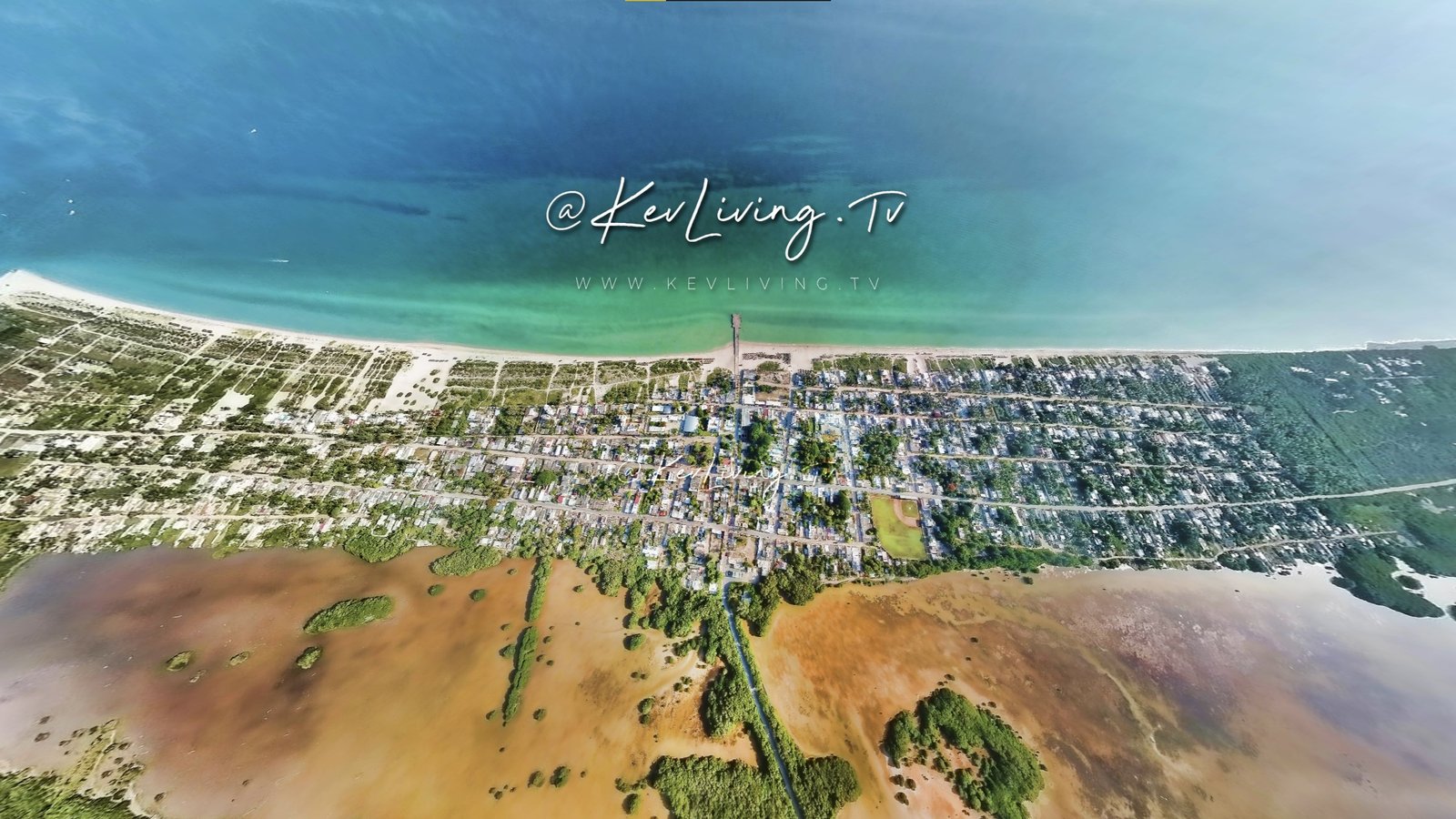
Los orígenes del puerto de Sisal se remontan a 1585, cuando se establece como un fondeadero o surgidero para comunicar vía marítima a la ciudad de Mérida con el puerto de Campeche y viceversa. En 1811 es declarado “Puerto Menor” y se consolida gracias a la exportación de productos como: la fibra del henequén, también llamado “oro verde”, el chicle y el palo de tinte. Su fuerte actividad comercial se mantuvo hasta 1871, año en que la Aduana Marítima de Yucatán es trasladada al puerto de Progreso. (Urrea, 2012: 42).En este puerto, hacia 2017, se efectuaron trabajos de campo en el marco del Proyecto Integral para la Protección, Conservación, Investigación y Difusión del Patrimonio Cultural Sumergido de la Península de Yucatán, de la Subdirección de Arqueología Subacuática (SAS, INAH), dirigido por la MC. Helena Barba Meinecke.La identificación y registro de los restos de un buque de propulsión a vapor del siglo XIX, naufragado frente a la costa de Sisal, Yucatán (Golfo de México), revela al mundo un ominoso episodio de la historia de México relacionado con el tráfico ilícito de indígenas mayas, ocurrido durante la Guerra de Castas (1847-1901) en la península de Yucatán.
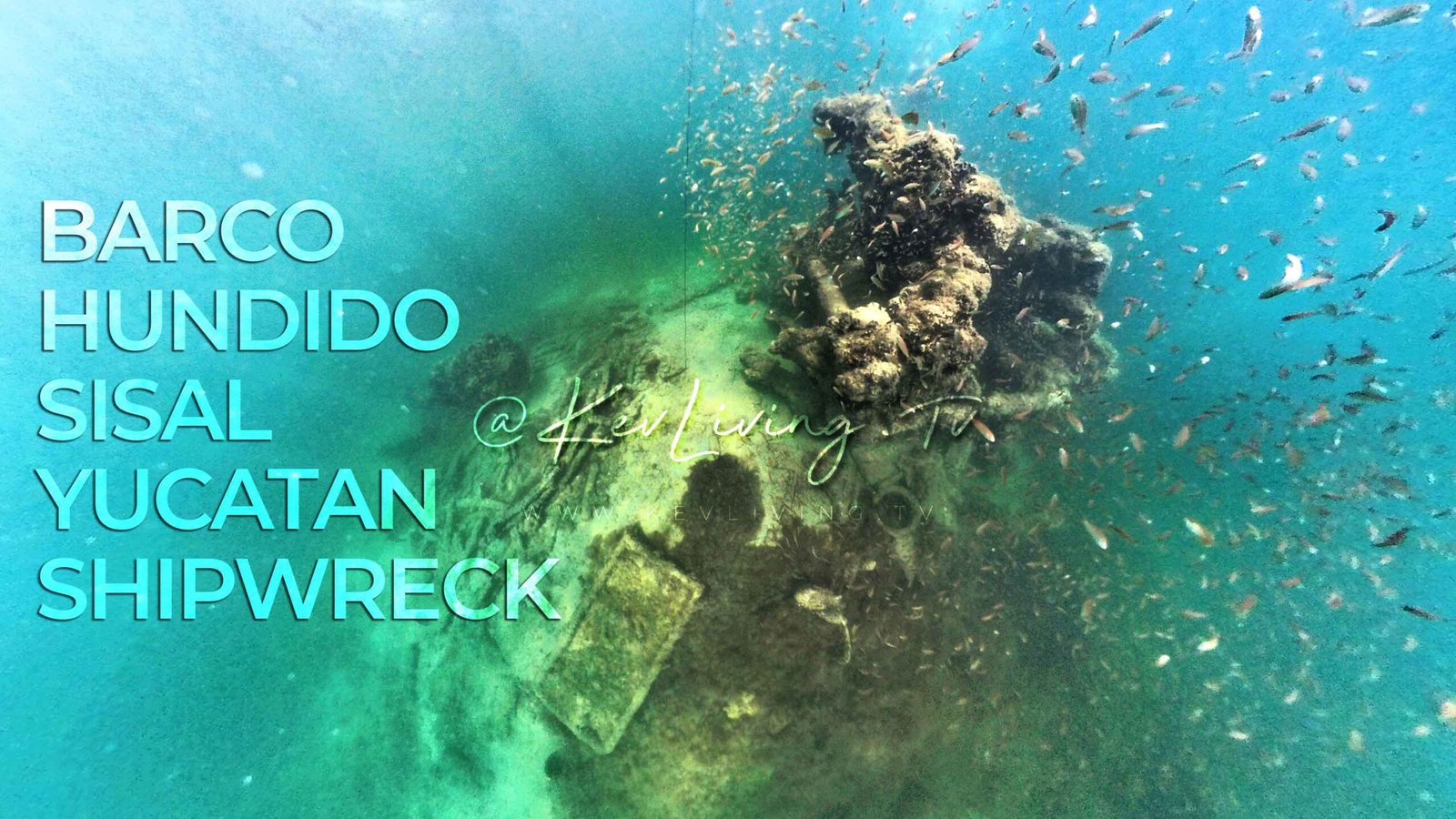
Durante la estancia del INAH en Sisal, estancia se recopiló parte de la tradición oral de la comunidad, principalmente la emanada de grupos de pescadores de escama y caracol, conocedores de las aguas costeras y en ocasiones incluso de sus vestigios arqueológicos subacuáticos. Destacaron Óscar Ucán Ravel y Juan Diego Esquivel Cob al reportar la existencia de un naufragio a 1.08 millas náuticas (2 Km) al noreste del puerto de abrigo de Sisal, el cual es conocido en la comunidad como: “Vapor Adalio”, en honor al abuelo del pesca-dor Esquivel. Tras la realización de prospección des-de la superficie (1 km2) con tablas remolcadoras, y la posterior implementación de dispositivos de sensoramiento (magnetómetro portátil para la identifica-ción de artefactos de origen ferroso), se localizaron diversos elementos culturales sobre el lecho marino, en un área de 50 metros cuadrados, a una profundidad mínima de 3.0 y máxima de 6.0 metros. Duran-te seis inmersiones se elaboró el registro en planta, realizando un croquis escalado, dibujo que se basó en las técnicas de línea base, rumbos y distancias. A lo anterior se sumó la toma de fotografía y video subacuático digital, de planta, perfiles y elementos diagnósticos in situ.
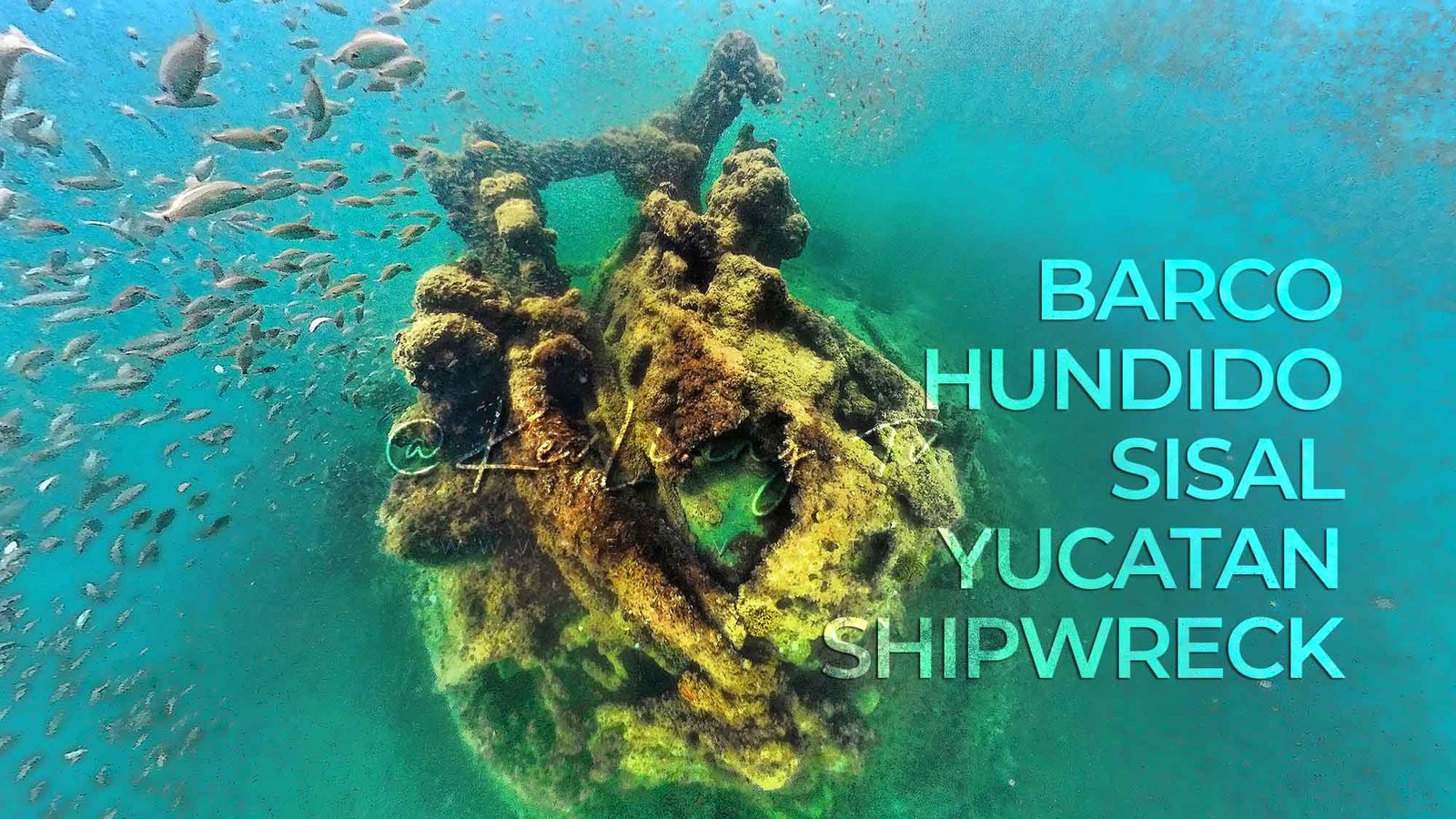
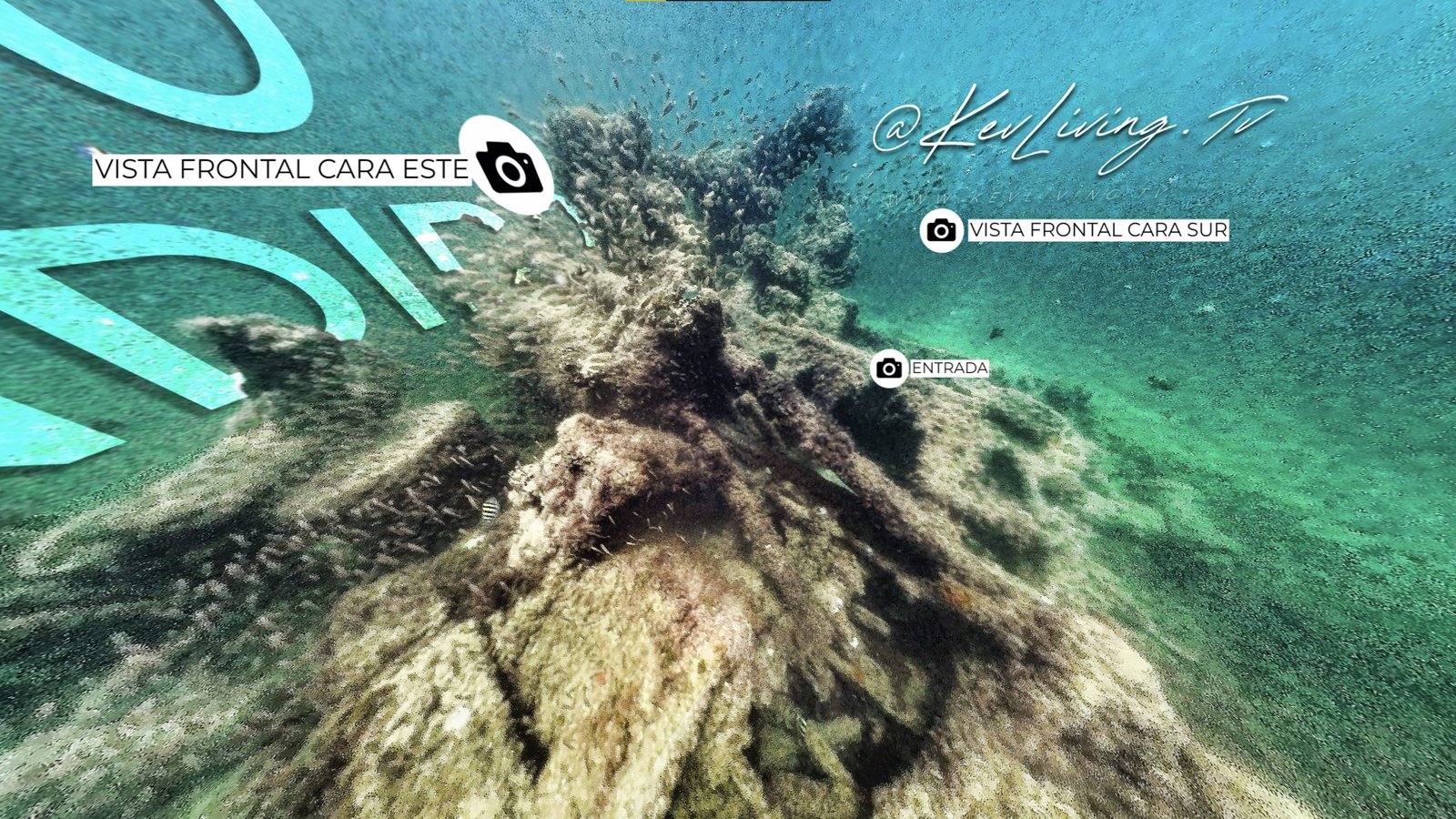
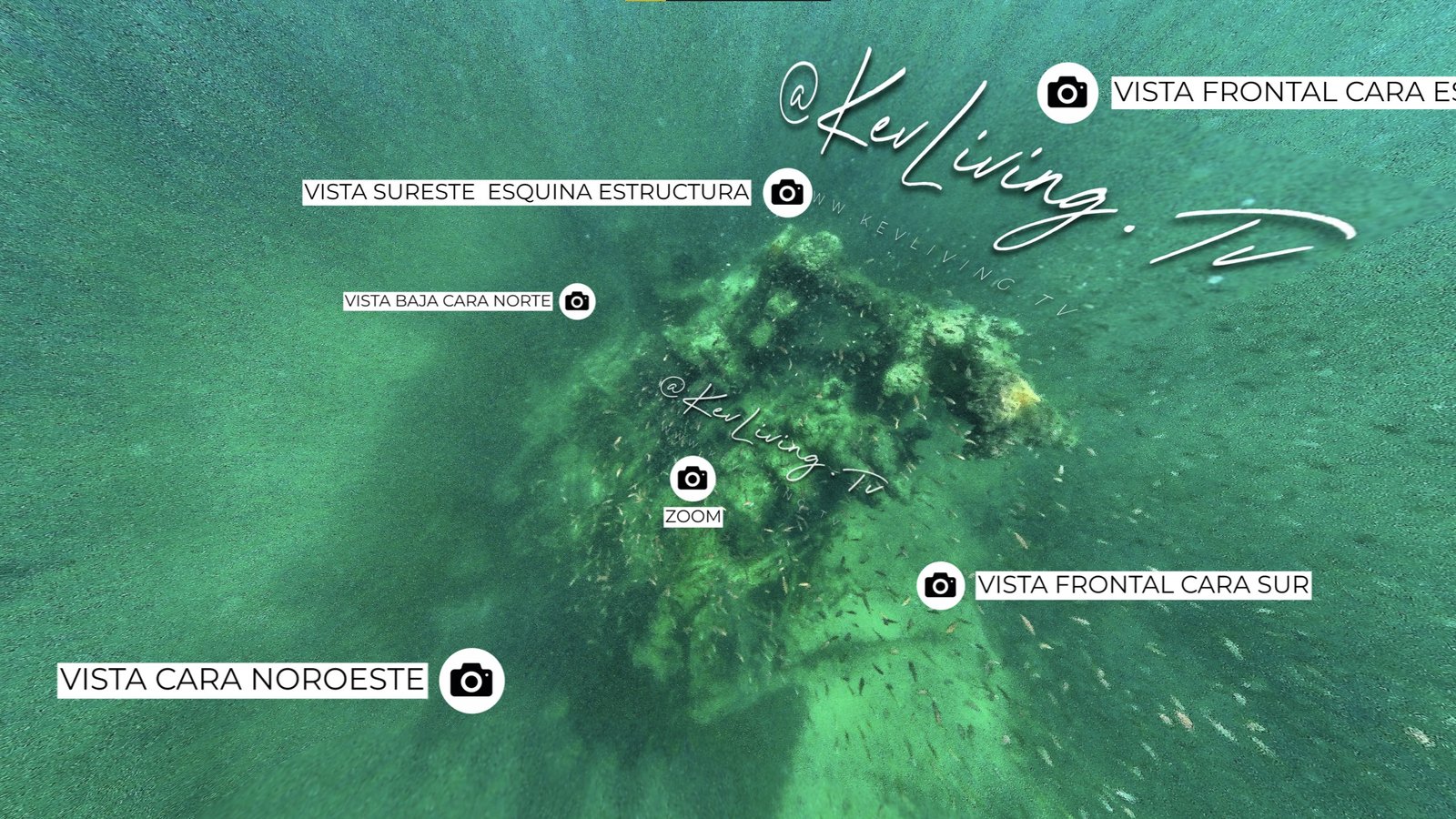
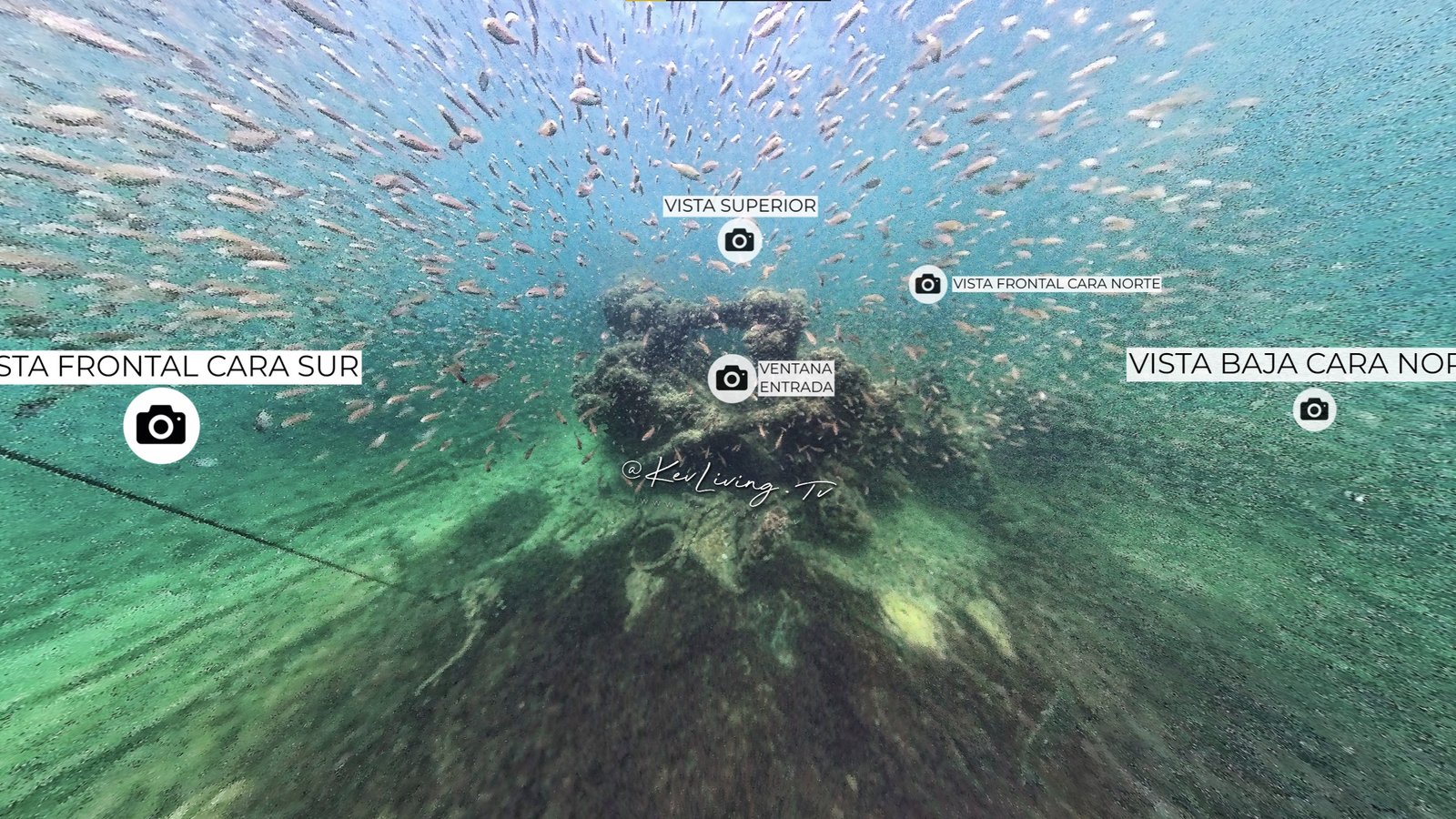
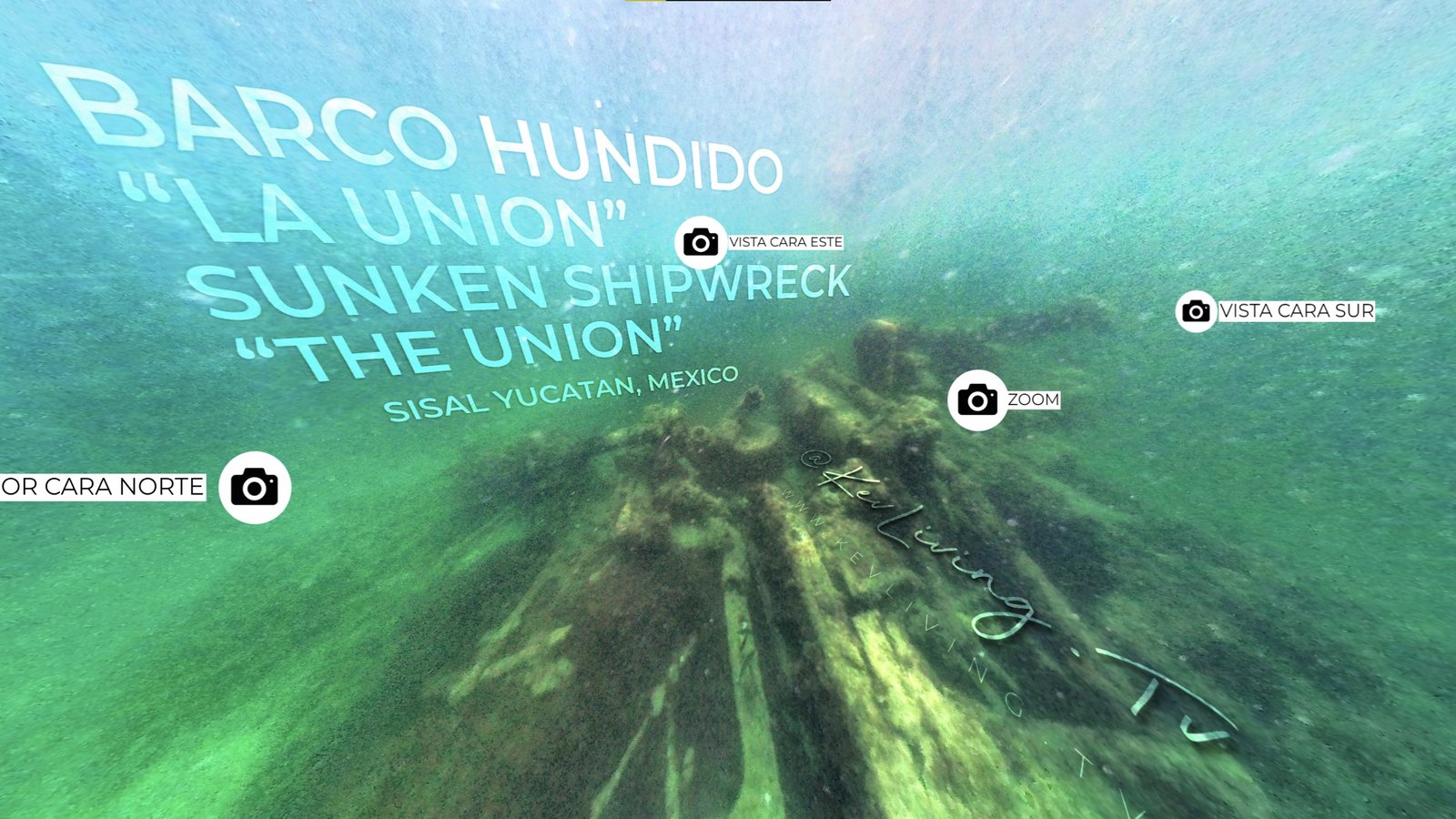
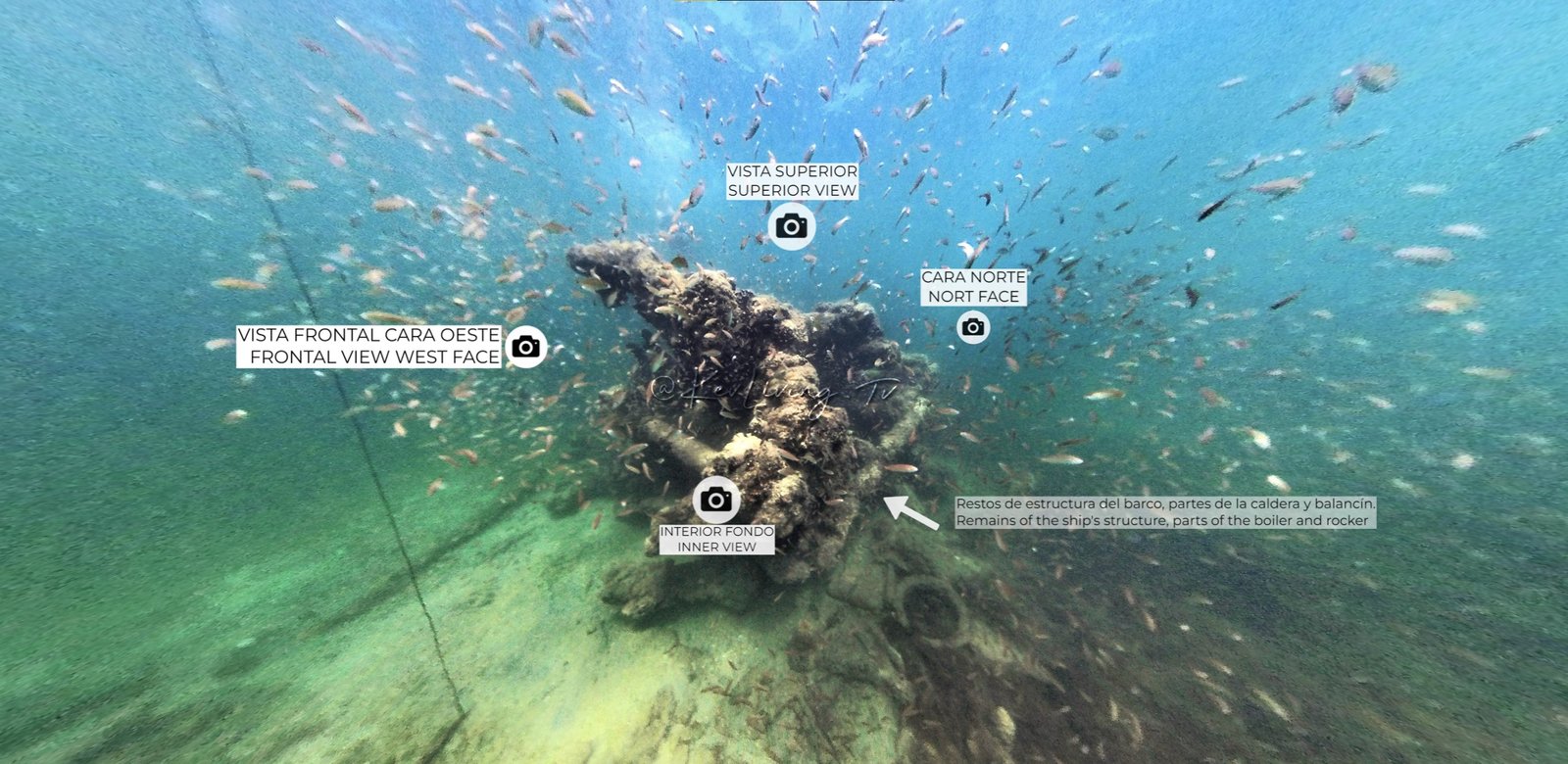
Se denomina pecio del latín pecium “fragmento o pieza rota” a los restos de un artefacto o nave fabricado por el ser humano, hundido total o parcialmente en una masa de agua. Un pecio puede ser producto de un accidente marítimo, naufragio o catástrofe natural, pero también puede ser ocasionado por abandono, hundimiento intencional, descuidos o negligencias (RAE). El contexto está formado por una concentración principal de elementos propios de los navíos con tecnología correspondiente a la “primera etapa” de la navegación a vapor (1837-1860).Esta se distingue por portar una máquina con caldera para la combustión, manivela, balancín y dos ejes laterales a los costados, estos últimos con tres aros interiores; inmediatos a estos se ubican los radios de las ruedas de paleta que sirvieron para la propulsión del buque. Además de los componentes anteriores, entre los mecanismos que ayudaron con la identificación se encontraron la caja de fuego y chimenea, ambas fragmentadas, a lo que se sumaron residuos de carbón mineral y coral quemado en el primer estrato de arena (0-20 centímetros de profundidad). Asimismo, se detectaron elementos rectangulares correspondientes a la sentina del buque, así como piezas tubulares de cobre y hierro, propios del sistema. En el caso de la tubería, esta es posible que sea de cobre, y solo presentó concreciones en las zonas en donde estaba en contacto con el hierro, lo que es muy común, ya que el cobre al ser un metal pesado, es tóxico para los organismos marinos, lo que evita la bioincrustación que por lo general se produce con el pasar de los años sobre los materiales arqueológicos sumergidos. Entre otros artefactos, en este caso relacionados con elementos de sujeción asociados con la estructura del barco, se identificaron: 40 clavos y 20 pernos de cobre, así como bloques de piedra recortados en forma rectangular que funcionaron como lastre (Barba, 2017).
Con el objetivo de conocer la estratigrafía del lecho marino inmediata al pecio, además de cerciorarnos de la distribución del maderamen, se excavó un pozo de un metro cuadrado en la esquina oriente del contexto.En este pequeño espacio se hallaron seis fragmentos de cerámica naranja, así como cubertería de latón: una cuchara, un tenedor y siete mangos.Este hallazgo fue realmente importante, ya que son pocos los artefactos asociados con la vida cotidiana que se han recuperado de contextos arqueológicos subacuáticos en la región; debido a su tamaño, por lo general pequeño y de poco peso, sufren de descontextualización por el movimiento del oleaje, las mareas y los fenómenos hidrometeorológicos (nortes, turbonadas y huracanes).Para definir el material de la cubertería, esta fue analizada mediante análisis elemental fluorescencia de rayos (XRF), trabajo coordinado por el doctor Javier Reyes Trujeque de la Universidad Autó-noma de Campeche.
El vapor español La Unión y el tráfico de esclavos mayas en Yucatán
A raíz del registro del naufragio, se inició su investigación en archivos históricos para determinar su identidad, filiación cultural y motivo del accidente náutico. La primera pista se obtuvo con la aparición de una carta escrita por el comandante militar de Mérida Joaquín Castillo Peraza, la cual dirige al gobernador de Yucatán don Agustín Acereto; en esta se informa sobre el hundimiento del vapor español La Unión, de bandera española, el 19 de septiembre de 1861, buque al mando del capitán José Guerrero. El acontecimiento, según Castillo, se suscitó a las 2 de la tarde, después de zarpar el navío rumbo a La Habana, Cuba, a menos de dos millas náuticas de distancia del puerto de Sisal. El accidente fue producto de un incendio que provocó una explosión en la zona de calderas, lo que hizo zozobrar al buque. En el siniestro fallecieron dos terceras partes de la tripulación y algunos pasajeros1.El buque vapor La Unión perteneció a la casa comercial y naviera española Zangroniz Hermanos y Compañía, fundada en La Habana, Cuba, en 1815. De acuerdo a un expediente hallado (AHBCS), en 1855 la compañía obtuvo permiso del gobierno mexicano, entonces enca-bezado por el presidente Antonio López de Santa Anna, para estable-cer una línea de transporte para correo, pasajeros y mercancías que uniría a los principales puertos del Golfo de México: Sisal, Campeche, Veracruz y Tampico, con el de La Habana2.Los viajes se efectuaban dos veces al mes, con itinerario de 20 días. Los buques elegidos por la naviera para llevar a cabo el derrotero fueron los buques a vapor: México y La Unión, ambos de aproximadamente 400 toneladas de arqueo y ruedas de paletas laterales3.
El 6 de noviembre de 1848, el gobernador de Yucatán, don Mi-guel Barbachano y Tarrazo, emitió un decreto que permitía la expulsión de los mayas “rebeldes” hechos prisioneros durante asaltos o revueltas en contra de los criollos. Para dispensarlos de la pena de muerte, se les condenó a trabajos forzados en las plantaciones azucareras de Cuba, existiendo de por medio un contrato manipulado que los indígenas estaban obligados a firmar. En los registros se ha encontrado evidencia sobre el traslado de por lo menos 135 mayas a bordo del vapor Cetro (750 to-neladas), a cargo del capitán Guillermo Villaverde, propiedad de Agustín Sánchez y Compañía, buque que operaba a través de su agente comercial Carlos Tolmé hacia 1849 (Pedrera, 1849: 436), y de hasta 20.000 esclavos entre 1855-1861, en las embarcaciones de la sociedad naviera Zangroniz Hermanos (Garrido, 2015: 977).Uno de los casos documentados tuvo lugar a finales de octubre de 1860.Este se relaciona con el buque de vapor La Unión, al mando del capitán Gerardo Tizón, sorprendido con 30 individuos mayas que se trasladaban en una embarcación menor hacia el vapor. La maniobra de liberación fue realizada por Francisco de la O. Martínez, comandante de la canoa nacional Cristina, en la rada de Sisal, durante el patrullaje de las costas que tenía como objetivo perseguir el contrabando por órdenes del gobierno de Campeche.
En un documento de la época se relata su eficaz movilización y los interrogatorios realizados a los cautivos (SGGEC, 1860: 1-40), entre los que se encontraban niños y niñas de entre siete y diez años. Los relatos extraídos de estos expedientes coincidían respecto a que fueron capturados de manera ilegal, en sus casas o parcelas, sin motivo alguno, que provenían de diferentes poblaciones como: Kanxoc, Valladolid e Yxil, y fueron trasladados a Mérida, en específico a la casa del comerciante Miguel Pou, y desde este punto, por las noches de forma clandestina, al puerto de Sisal para ser embarcados a bordo de los vapores de la Compañía Zangroniz (Bosch, 2009: 620).Los tratantes de personas, en contubernio con las autoridades yucatecas, obtenían hasta 160 pesos por lo varones y 120 pesos por las mujeres. (Álvarez, 2002: 137). El descubrimiento de este funesto tráfico, derivado del apresamiento del vapor La Unión en 1860, fue motivo para que el presidente Benito Juárez García solicitara una investigación de los hechos ocurridos, investiga-ción encargada al licenciado Juan Suárez Navarro. En su reporte titulado: Informe sobre las f recuentes revoluciones ocurridas en Yucatán y medios para evitarlas y para la cesación del tráfico de indígenas enviados como esclavos a la isla de Cuba (1861), deta-lla el origen de este tráfico, comunicando sobre los gobernadores que habían efectuado y aun realizaban tratos corruptos con la empresa Zangroniz, muchos de ellos relacionados con la venta de indígenas y la obtención de armamento ilegal. Entre los nombres que salen a la luz tras la investigación están: Miguel Barbachano y Tarrazo (periodo de gubernatura, 1848-1853), Pantaleón Barrera (1857) y Martín Francisco Peraza (1857). (Suárez, 1861: 111-112). Derivado tanto de lo acontecido, como de los informes recibidos, el 6 de mayo de 1861, el presidente Juárez emitió un Decre-to a partir del cual se prohibió la extracción de cualquier individuo maya, así como de todos los contratos relacionados. Seis me-ses después aconteció el último viaje del vapor La Unión el cual esperó 160 años en el fondo del lecho marino.
Derivado del análisis de la información arqueológica e histórica se determinó que el pe-cio denominado inicialmente como Vapor Adalio (Sisal, Yucatán), pertenece al naufragio del vapor español La Unión ocurrido en septiembre de 1861.
Lo anterior se definió por di-versos factores: 1) la ubicación del contexto arqueológico su-bacuático, a tan solo 1.8 millas náuticas del puerto, 2) la presencia de partes de la ma-quinaria como la caja de fue-go y caldera con fuerte daño y fragmentación, 3) el plan de la embarcación de ma-dera, en las zonas en donde aún se conservó, y en donde también se observaron con-chuelas, mostró evidencia de haber sido expuesta a una fuente de calor intensa, y 4) los elementos que componen al pecio corresponden a la pri-mera etapa de la navegación a vapor (1837-1860).
Estos elementos principales, corroboran el tipo de accidente y lo ubican temporal y espacialmente.
Finalmente, cabe destacar que su importancia radica en que se trata del primer naufragio identificado en México que se vincula con la venta y transporte de esclavos ma-yas hacia la isla de Cuba, evidenciando una práctica poco difundida en los anales de nuestra historia.
Referencias
Álvarez, Izaskun. 2002. “Indios mayas en Cuba. Algunas reflexiones sobre su comercio”. En: Revista Baluarte 03, pp. 121-141. Estudios gaditano-cubanos. Cádiz, España.
Barba-Meinecke, Helena. 2017. Informe de actividades del Proyecto Integral para la Protección, Conservación, Investigación y Difusión del Patrimonio Cultural Sumergido de la Península de Yucatán, pp.123:135. Archivo Técnico del INAH. CDMX, México.
Bosch, Juan. 2009. De Cristóbal Colón a Fidel Castro. Miguel Ángel Porrúa. CDMX, México.
Carmona, Doralicia. 2020. Memoria política de México de 1861. Decreto del gobierno. Prohíbe la extracción para el extranjero de los indígenas de Yucatán. Disponible en: https://www.memoriapoliticademexico.org/Textos/3Reforma/1861PEY.html. Consultado: 11 de julio, 2020. Garrido, Santiago. 2015. “Los otros esclavos”. RDUNED. Revista de derecho UNED, 16, pp. 963-987. Madrid, España.
Pedrera Rafael. 1849. Miscelánea instructiva y amena: Colección escogida de escritos sobre todas materias, en prosa y en verso, originales, copiados y traducidos. Vol. I. Oficina Tipográfica de Rafael Pedrera. Mérida, Yucatán, México.
Suárez Navarro, Juan. 1861. Informe sobre las frecuentes revoluciones ocurridas en Yucatán y medios para evitarlas y para la cesación del tráfico de indígenas enviados como esclavos a la isla de Cuba. Imprenta de Ignacio Cumplido. CDMX, México.
Secretaría General de Gobierno del Estado de Campeche (SGGEC). (1860). A Collection of Pamphlets, chiefly political, relating to Mexican affairs from 1843 to 1865. Biblioteca Británica. Londres, Reino Unido.
Urrea M. 2012. Análisis de las prácticas de vida asociadas a la basura, los residuos y los desechos en la población costera de Sisal,Yucatán: propuesta de modelo de manejo. Facultad de Ciencias, UNAM. Sisal, Yucatán, México.
Referencias Documentales
Archivo General del Estado de Yucatán (AGEY) AGEY. 1861. Fondo: Ejecutivo, Sección: Jefatura Política de Mérida. Serie: Correspondencia Oficial. Caja 97. Vol. 47. Exp. 49. “Comunicado de Joaquín Castillo Peraza al Gobernador sobre el incendio de un barco español”, 1 foja.
Archivo Histórico de Baja California Sur (AHBCS) AHBCS. 1855. Fondo: México Independiente. Serie: República Centralista. D/257/II/V-57Bis/L-2/4FF. “Decreto del presidente Antonio López de Santa Anna en el que se le concede a los señores Zangroniz hermanos y compañía el establecimiento de una línea de vapores”.